

April 29, 2026
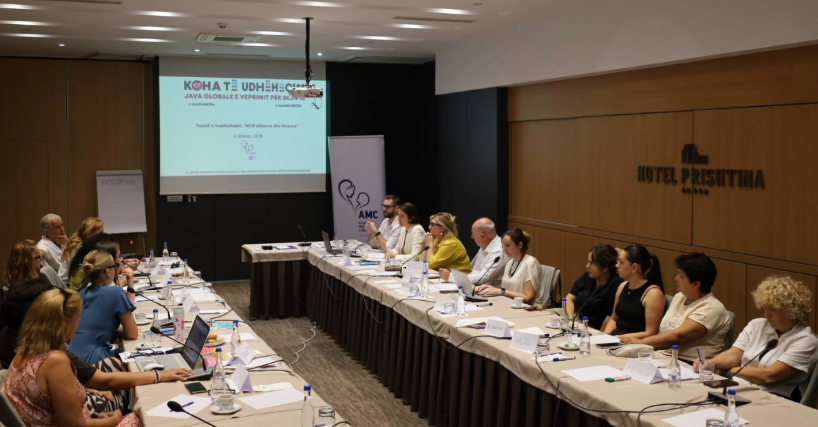
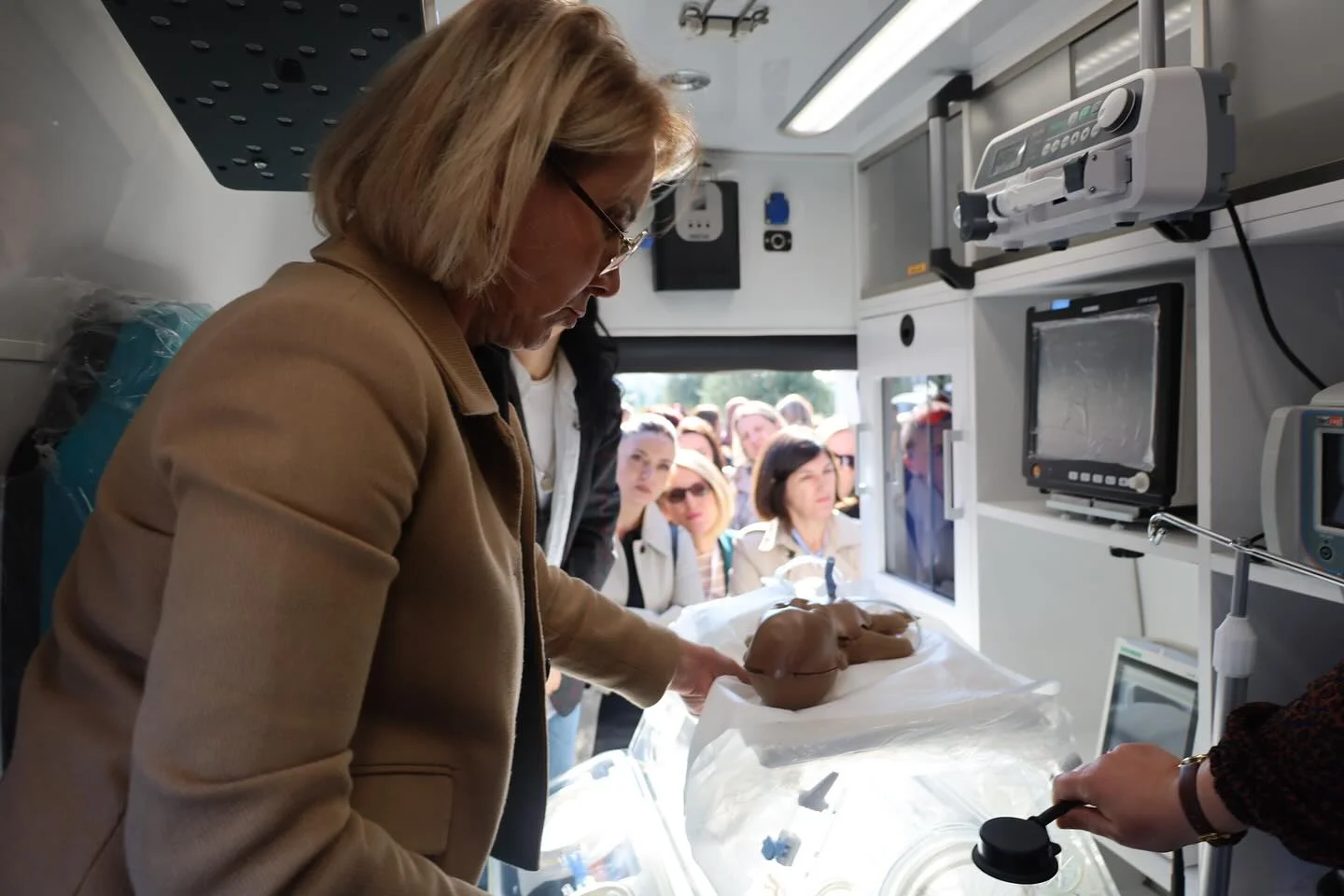
Action for Mothers and Children (AMC) organized a discussion roundtable today with relevant public health stakeholders in Kosovo to reflect on ongoing efforts and collaborations in the field of neonatal care and transport, recognizing both the progress achieved and existing challenges.
Marking the 20th anniversary of the partnership between Kosovo and Dartmouth College in neonatal care, the roundtable aimed to build a shared vision for the future development and structuring of neonatal transport and care. The focus remained on efficiency, quality of care, and the sustainability of services within the public health system.
“Ensuring equal access to proper and timely care for all infants is a priority for a strong health system,” said Rina Demiri Spahija, Executive Director of AMC. “We must work together to ensure that every child begins life with the highest quality care possible, and we remain committed to working with partners to make this a reality across Kosovo.”
The roundtable served as an opportunity to review progress, identify current gaps in the system, and agree on priority actions needed to ensure the full functionality and sustainability of the neonatal referral system.
Both Dr. Mynavere Hoxha and Dr. George Little recalled the post-war situation where they worked together on re-building the Neonatology Clinic, noting that: “Right after the war, Kosovo faced extraordinary difficulties in neonatal care. The infant mortality rate was among the highest in Europe. Through initiatives like the Kosovo–Dartmouth Alliance and later ‘Action for Mothers and Children,’ we have significantly improved the neonatal care system. These efforts included supplying medications like Survanta, medical equipment like CPAP, installing oxygen systems in the clinic, and providing incubators and other essential diagnostic tools, saving thousands of premature babies.”
Furthermore, the current director of the Neonatology Clinic, Dr. Luan Morina, spoke about results from previous initiatives, new projects like neonatal screening, the reduction in infant mortality rates, and upcoming services to be integrated into the clinic. Notably, the latest UN IGME report confirmed a decrease in infant mortality rates in Kosovo.
The roundtable resulted in several actionable recommendations, including:
Strengthening coordination mechanisms between regional hospitals, neonatal intensive care units, and emergency transport services to ensure rapid response for infants in high-risk situations.
Advancing professional training and capacity building for health personnel in regional hospitals, in close cooperation with the Neonatology Clinic.
Updating clinical protocols for the treatment of neonates in accordance with the latest international standards.
Developing research and analysis on the factors that have influenced the reduction of neonatal mortality in Kosovo.
Stimulating the growth of professional staff in neonatology and opening new specializations based on real needs in the field.
Together, these commitments mark a significant step toward strengthening neonatal care across the entire health system, ensuring that every newborn, regardless of circumstances or location, has equal access to safe and quality care.